Labor disputes in care work
Between trade union organizing and mutual aid

Why do we always have so little time for cooking, cleaning, laundry, and proper self-care? Why are care workers so poorly paid? Why is it predominantly FLINTA* people and migrants who do care work? What might a society look like in which care is at the center of the economy, rather than profits and growth?
These questions and many more are discussed by Chris Neuffer from Konzeptwerk Neue Ökonomie with guests from care professions, science and social movements.
Season 1: June 2023 – March 2025
The first season focuses on various aspects of care work. It covers care centers in vacant shopping centers, queer parenting, the working conditions of au pairs, and also what care has to do with food sovereignty and ecofeminism. In 12 episodes, you'll hear a wide variety of voices.
As part of the first season, 10 blog posts also focused on various aspects of care work: from the connections between trans* liberation and climate justice to working conditions in hospitals and profit maximization in elderly care.
Season 2: July 2025 – December 2025
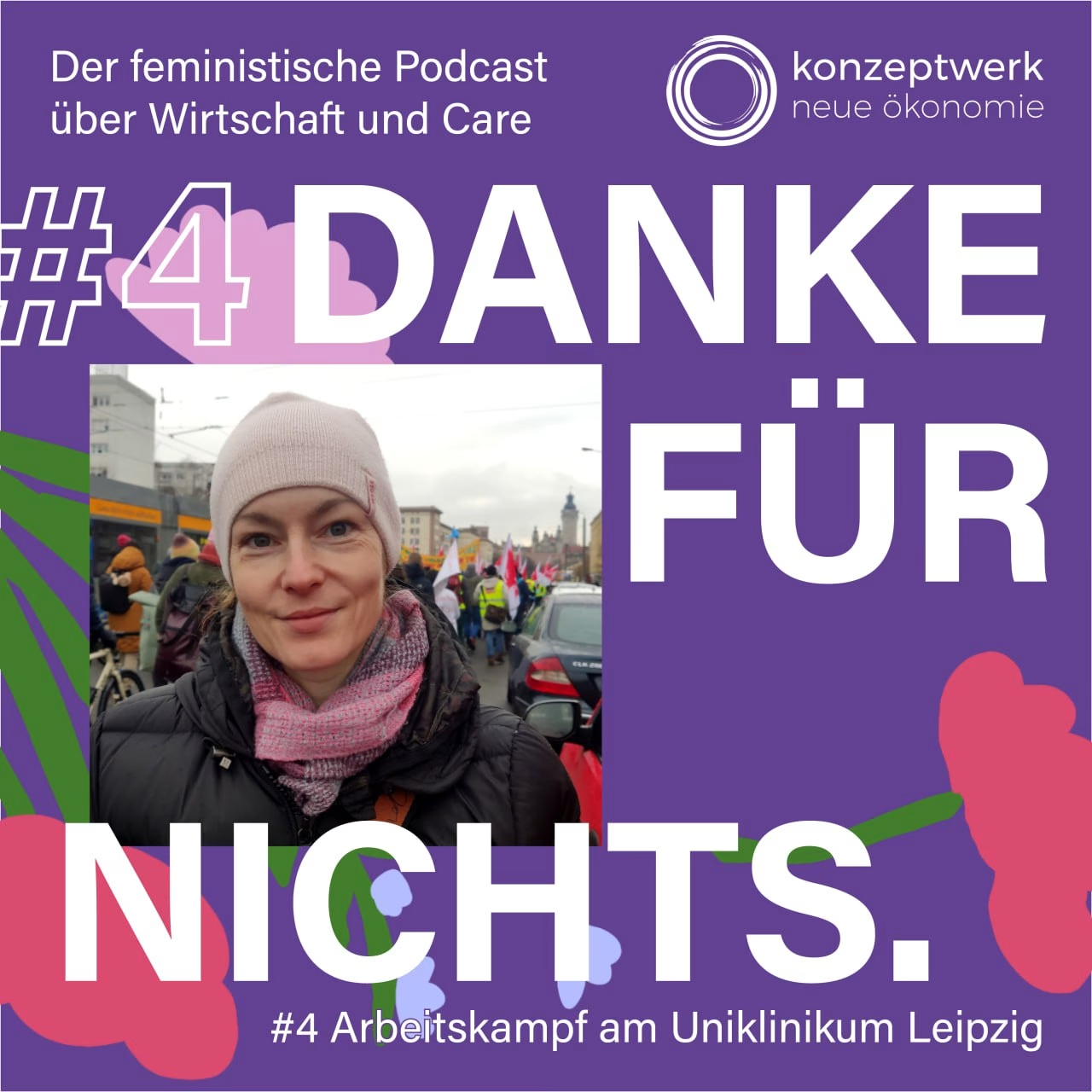
In the second season, we focus on labor struggles and care work. What role do unions play in the fight for the revaluation and reorganization of care work? What are the working conditions in unpaid and paid care work? What exactly is included? And what is feminist union work? In five episodes, we talk with our guests about feminist alliances , the daily work of family caregivers , injustices in Saxony , and strategies for trans*feminist labor struggles . Want an overview of the season? Read our recap.
Season 3: 2026
In the third season, we explore feminist organizing in East Germany: What formats do feminist activists use to advocate for gender equality? What roles do physical spaces and digital formats play? How can active feminist groups gain more members? And how can feminist alliances be successful in the long term?
















Between trade union organizing and mutual aid

City walk and live podcast with care justice initiatives
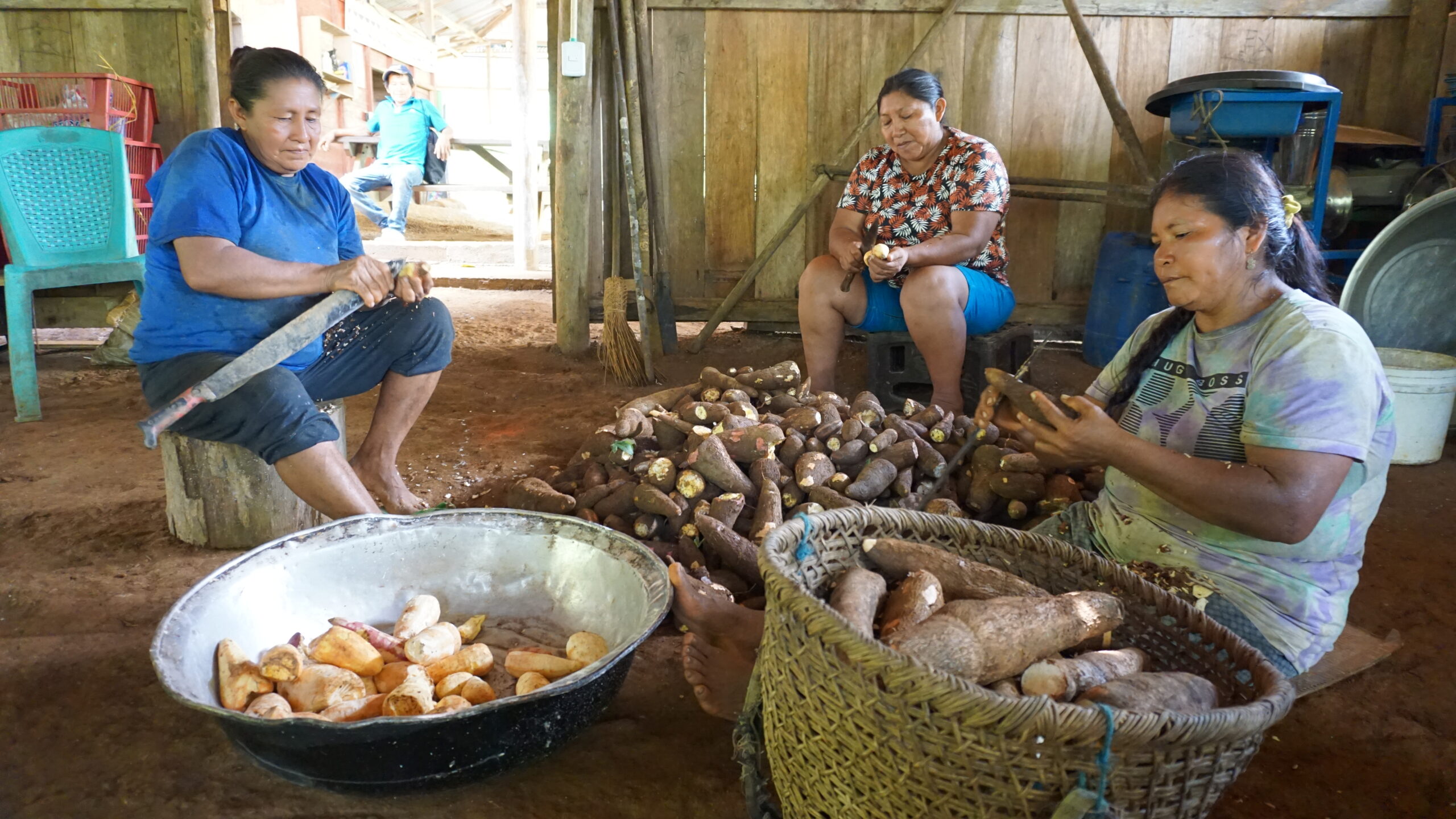
Challenges of gender diversity using the SDGs as an example

Global Care Chains and Profit Maximization
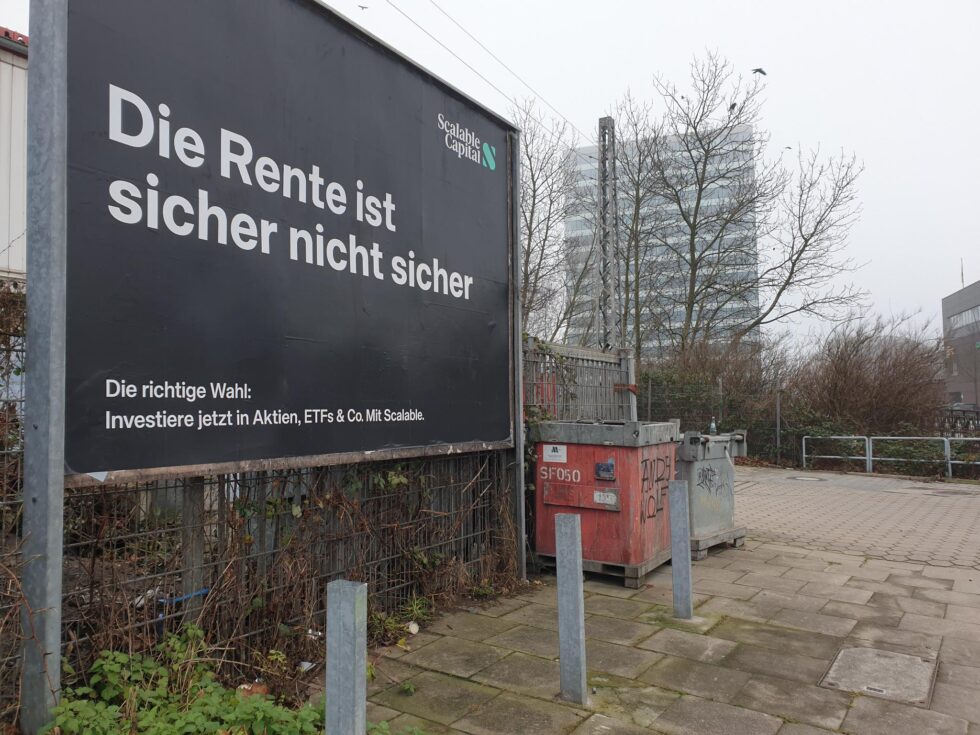
What does it take to ensure good retirement provision for everyone?
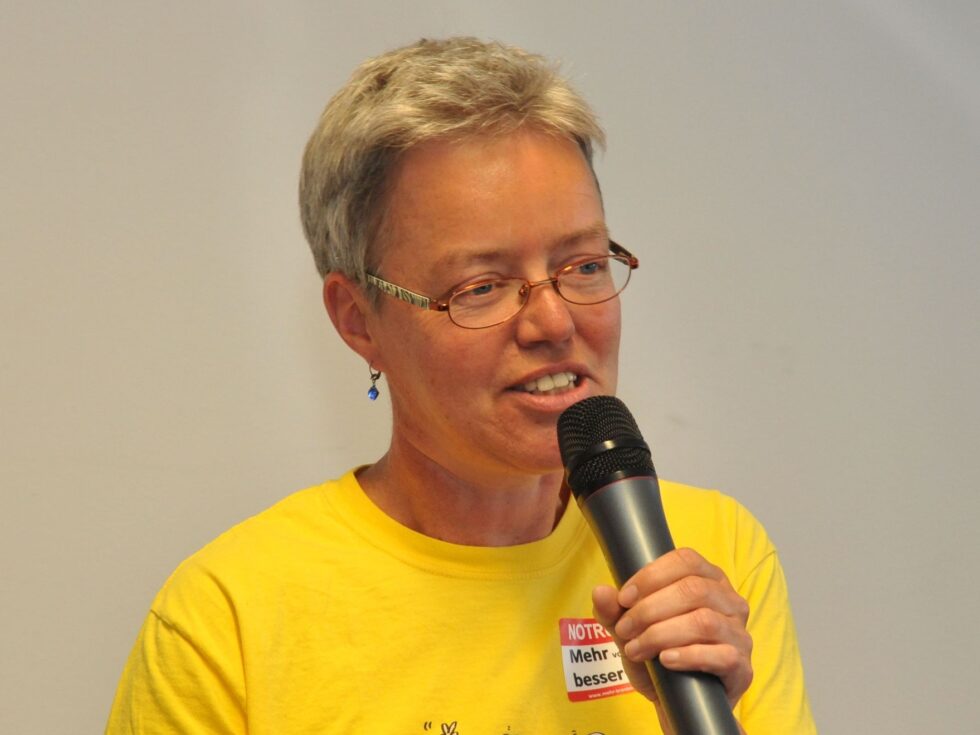
Silvia Habekost on workload, hospital reform and TVÖD
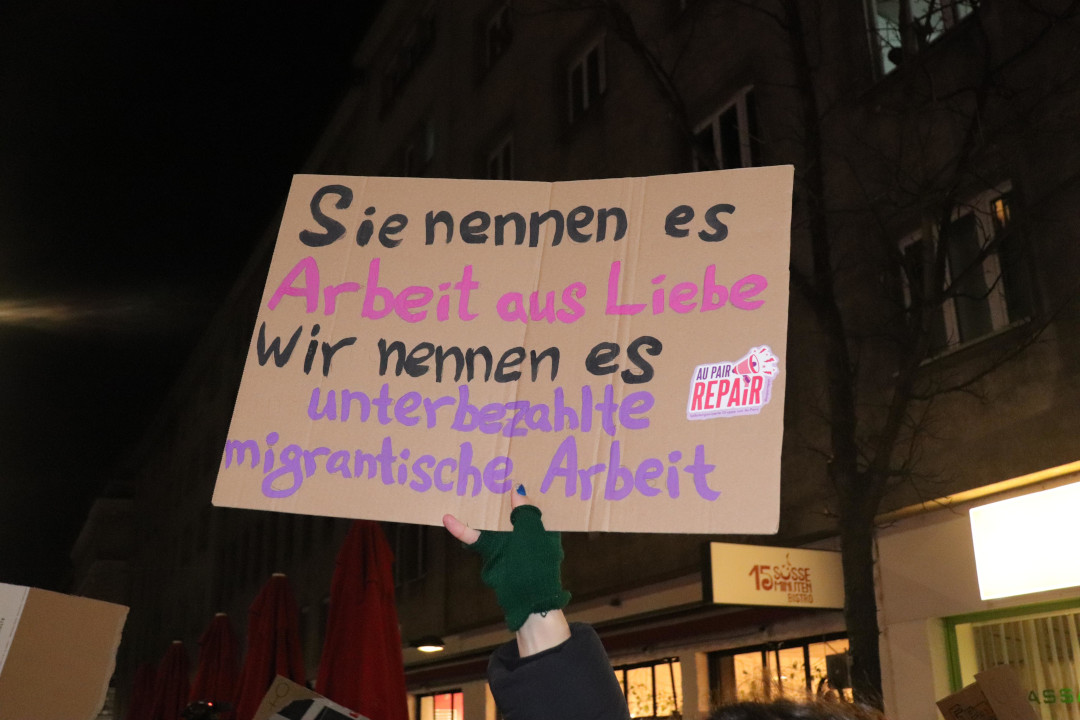
Interview with AuPair-Repair about migrant care struggles

Expand social infrastructure – now!

On self-organization in Pakistan and Indonesia
No climate justice without reduced working hours
Why we must strike on March 8th for the socialization of care

 time-out