
The wealth and industrial growth of colonial powers were built on the exploitation of people, land, and resources—processes that laid the foundations for today's climate crisis. The global majority, long subjected to colonialism, now faces some of the most severe consequences of climate collapse, despite having contributed the least to the crisis. While the climate debate often focuses on emissions reduction and adaptation measures, demands for reparations remain largely on the margins. How do colonial patterns continue to shape the climate crisis today? What political, economic, and social changes are needed to move beyond symbolic gestures? And what role can social movements play in bringing the demand for reparations more prominently into climate justice debates? Based on an introduction to the publication "How (Not to) Apologize" by Konzeptwerk Neue Ökonomie This platform opens up a space for reflection on colonial continuities, climate justice and reparative future perspectives.
Participants:
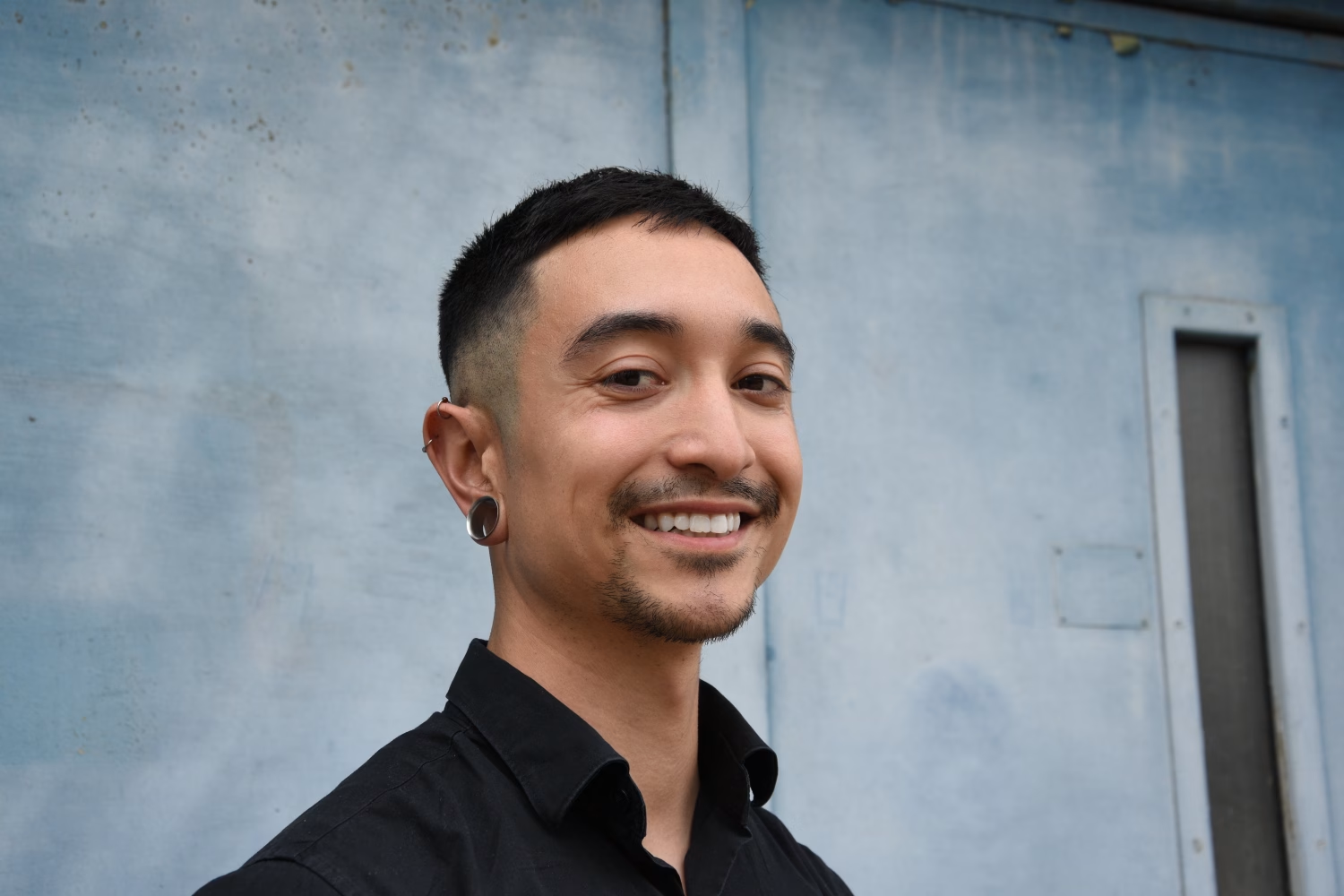
Aaron Alexandre Cuyugan works in the climate justice team at the New Economics Concept Lab. He is a certified policy analyst, aspiring photojournalist, and dedicated climate activist. His current project work focuses on raising the profile of climate reparations and climate justice for the Global South within German civil society.
Majula Jaiteh is a doctoral candidate in international law and lives in Hamburg. Her research focuses on reparations and restitution for German colonial crimes in Namibia and Tanzania. She is also a board member of Afro-German Lawyers Association.
Leonie Baumgarten-Egemole is a legal trainee and activist specializing in anti-racism and climate justice. She is involved in various initiatives that advocate for a more just and discrimination-free society.
Moderator: Canê Çağlar is a political educator, moderator, doctoral candidate, and educational scientist. Her work focuses in particular on structural discrimination, decolonization, and educational equity.
The event will be held in English and is part of the projects “Colonial Traces – Decolonial Practices” (W3_) and “Decolonize Trade” (Fair Trade City Hamburg). It is supported by Bread for the World, the Catholic Fund, the North German Foundation for Environment and Development, and the Church Development Service of the North Church.