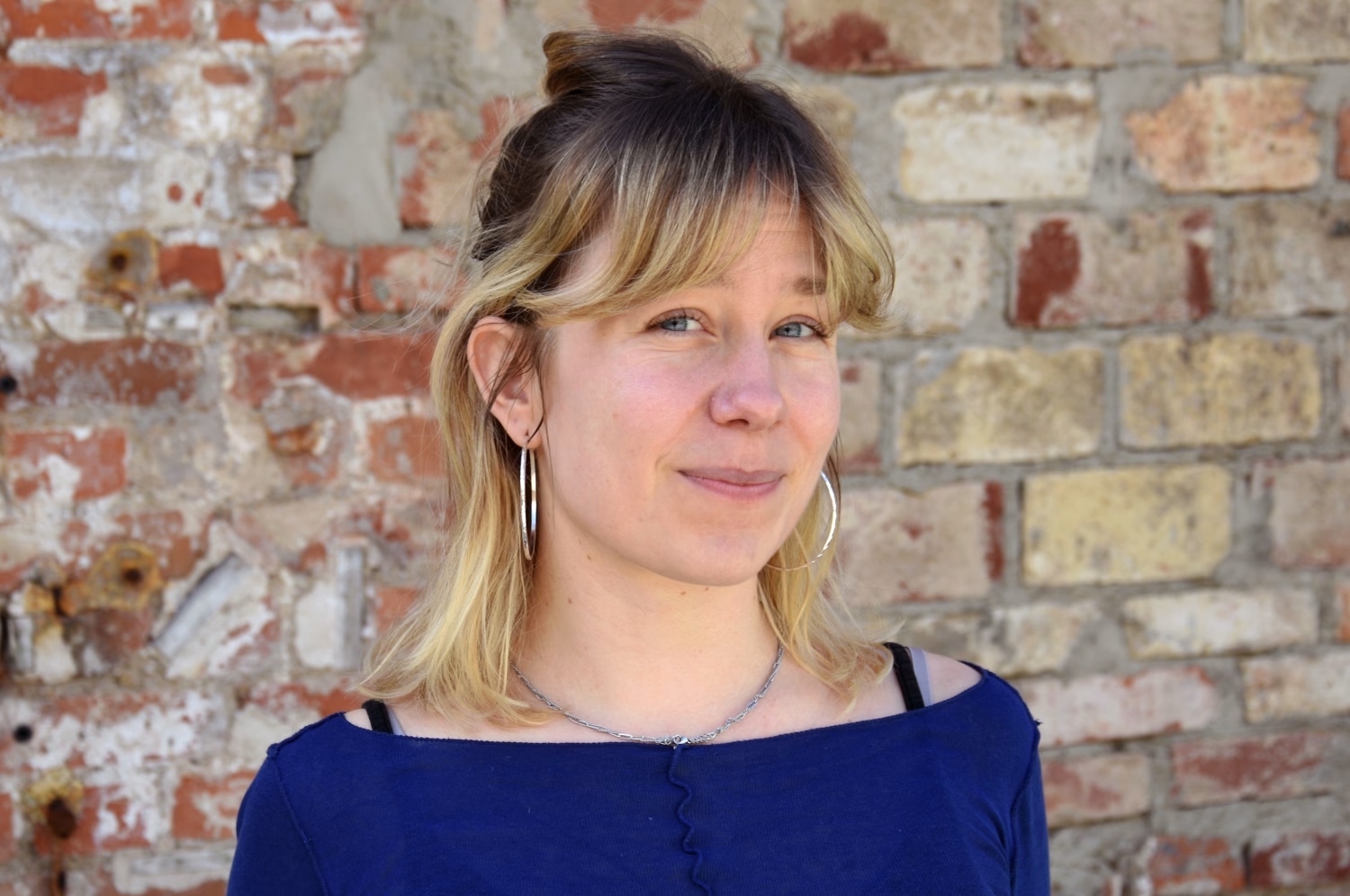
With Paul Thomas (Nama Traditional Leaders Association)
The transition to renewable energies in Germany is progressing (slowly) – but the technologies being used continue to follow in outdated, colonial footsteps. What continuities of colonial exploitation are evident in today's energy policy?
We want to address this question. Together with Paul Thomas from the Nama Traditional Leaders Association in Namibia, we will discuss the planned "Hyphen" hydrogen project in Namibia, its impacts on the ground, and the need for reparations.
Namibia plays a central role in the hydrogen strategies of Germany and the EU. While the Namibian government sees this as an opportunity for economic development and new jobs, it faces considerable criticism: the voices of the local population are not being heard, the energy is intended exclusively for export to the Global North, and the planned plants threaten fragile ecosystems.
The planned expansion of the port of Lüderitz is particularly problematic in light of European colonial history: The hydrogen project endangers Shark Island – the site of a concentration camp during German colonial rule and a memorial to the genocide of the Nama and Ovaherero peoples. Here, current energy policy and the unresolved colonial history overlap in a depressing way.
We'd like to discuss these developments. Paul Thomas reports on the impacts on the ground, the voices that have so far been ignored, and why symbolic and material reparations from Germany are long overdue.
We cordially invite you to join our international guests in discussing green pseudo-solutions, colonial reappraisal, and global solidarity along supply chains.