Germany's mountain of debt in Cameroon
Reparations for the effects of colonialism and the climate crisis
The climate crisis threatens people worldwide – but hits those in the Global South the hardest, even though they have contributed the least to its creation. It is therefore not only an ecological crisis, but above all a question of global justice.
We work towards climate justice and climate reparations . Climate policy must not stop at emissions reduction and adaptation. It must acknowledge who caused the crisis, who profits from it, and who is paying for its consequences today. For us, climate reparations mean making the causes of the climate crisis and its colonial continuities visible in current trade, debt, and power structures; recognizing historical and ongoing responsibility; and demanding accountability. At its core, this means a redistribution of power and resources as the foundation for a socio-ecological transformation that makes a good life possible for all.
In our mission statement , we explain why we are working on this topic, what understanding of climate justice we follow, and what political positions guide us.
Original text: The climate crisis is hitting people in the Global South particularly hard, even though they have contributed the least to its creation. It is therefore not only an ecological issue, but also a question of global justice.
We are working towards Climate justice and climate reparations, In our Self-image We describe why we are working on this topic, what understanding and approach we are pursuing, and what positions guide us in this endeavor.

Six dimensions of climate reparations regarding the responsibility of global corporations, questions of just economic transformation, and the significance of Germany's colonial past for today's climate policy.
Countries in the Global South are affected by climate change, which they have little to do with, and they are struggling to pay off a high, unjustified debt burden. We must take a step closer to climate justice through debt relief and reparations.
With pioneers of practice such as activists, trade unionists and scientists and the common goal of designing a radical practice of socialization that leads to a climate-just future.

A fundamental transformation of the economy and society is necessary for a climate-just future. Together with social movements, NGOs, and trade unions, we have compiled concrete, transformative, and implementable measures across various sectors for the next 10-15 years.





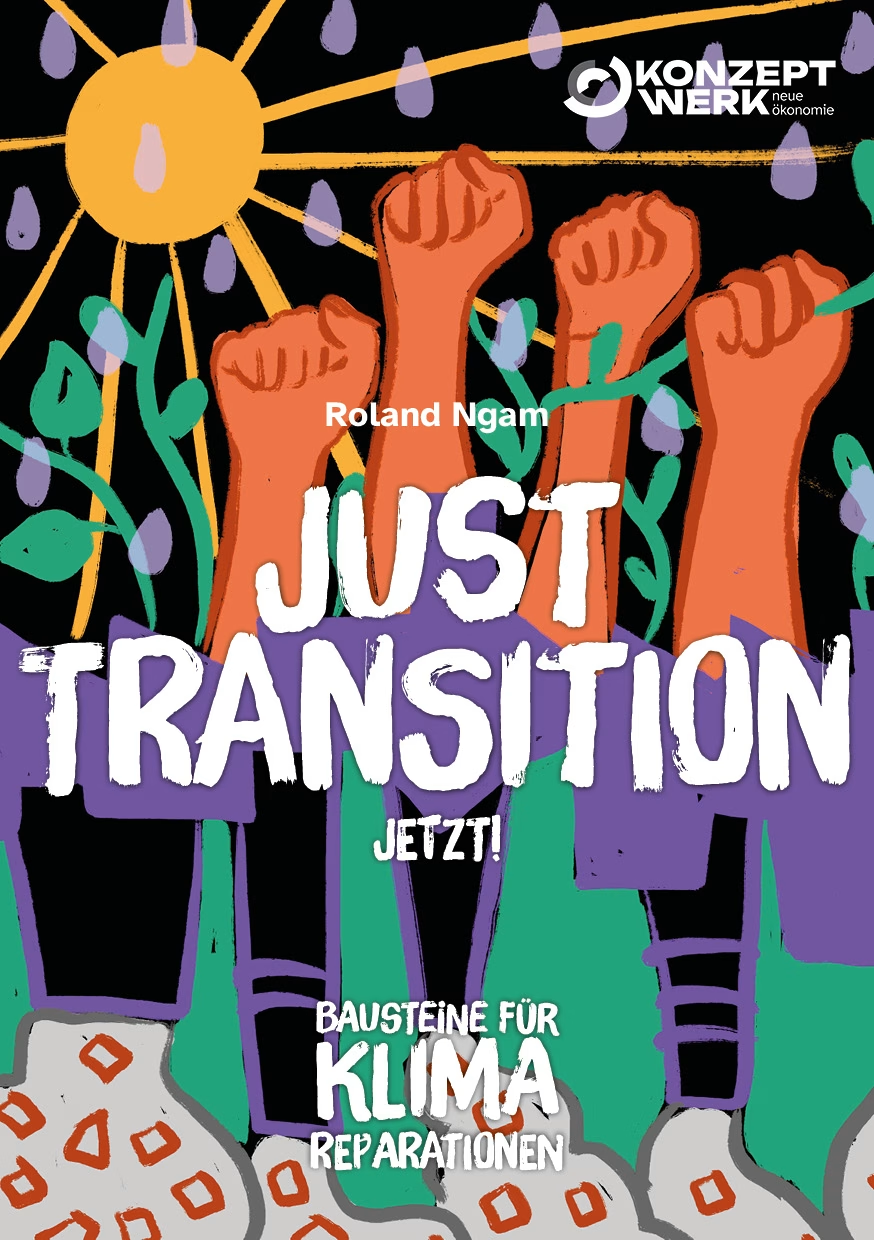








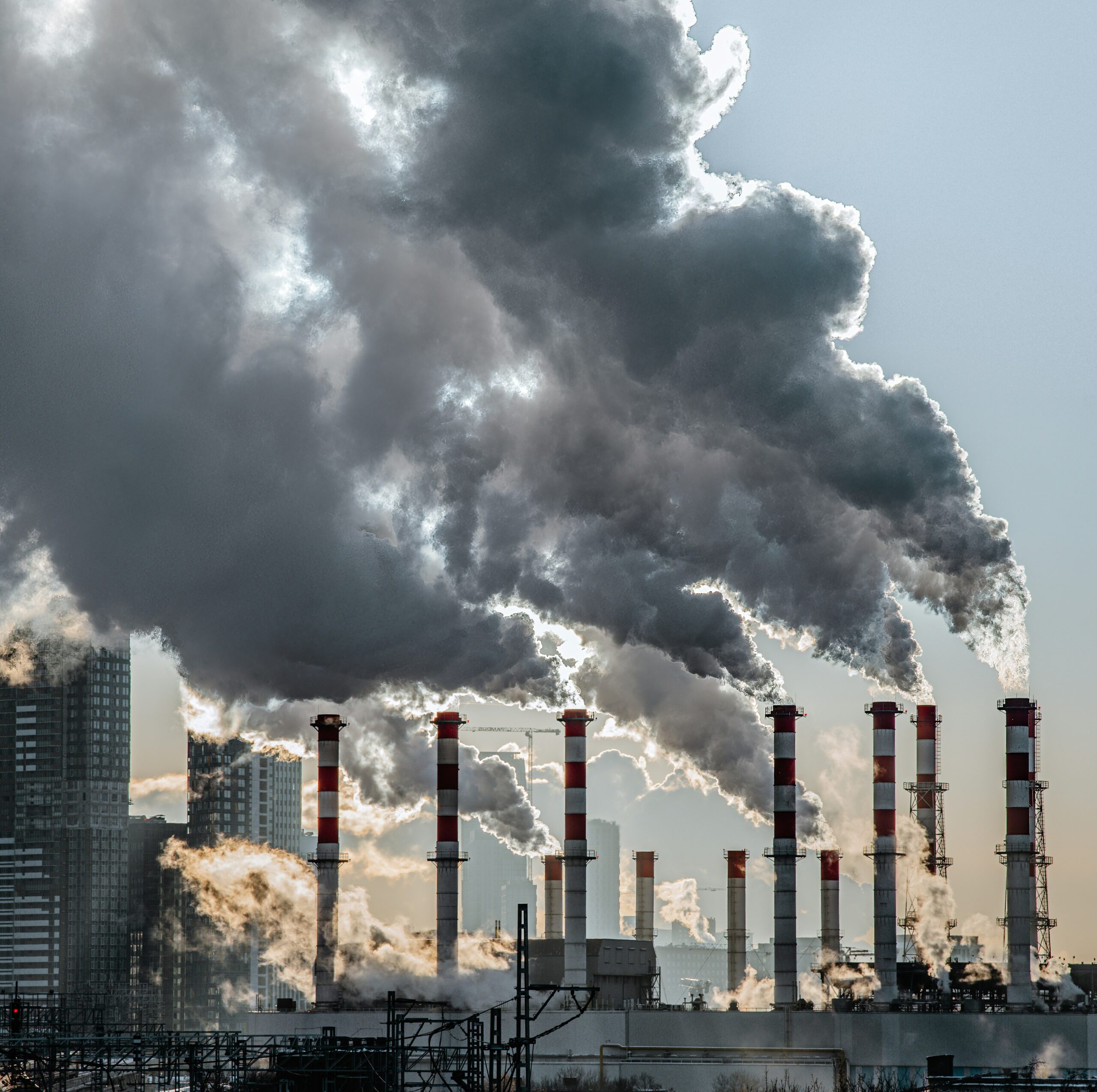
Reparations for the effects of colonialism and the climate crisis
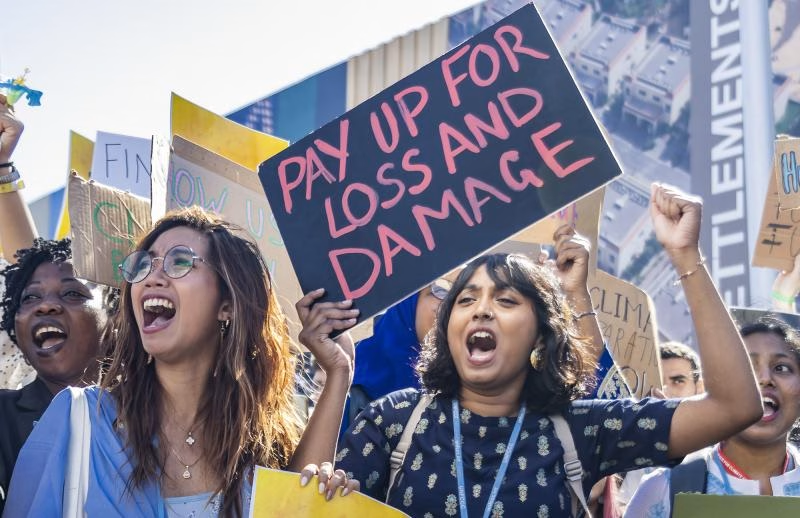
Why debt relief is not generous but long overdue
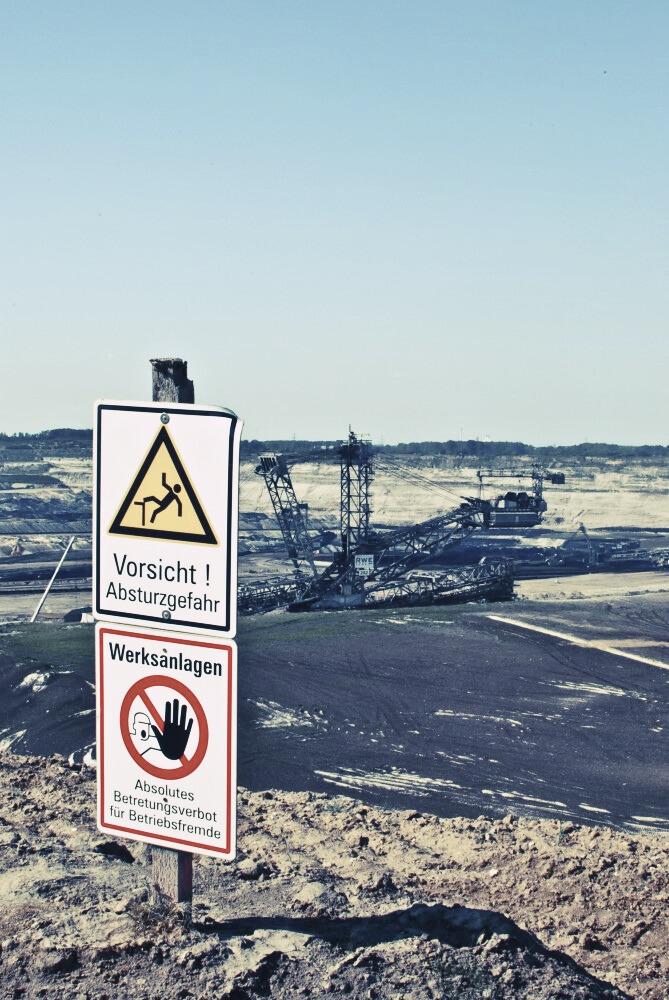
We environmental organizations are sounding the alarm!
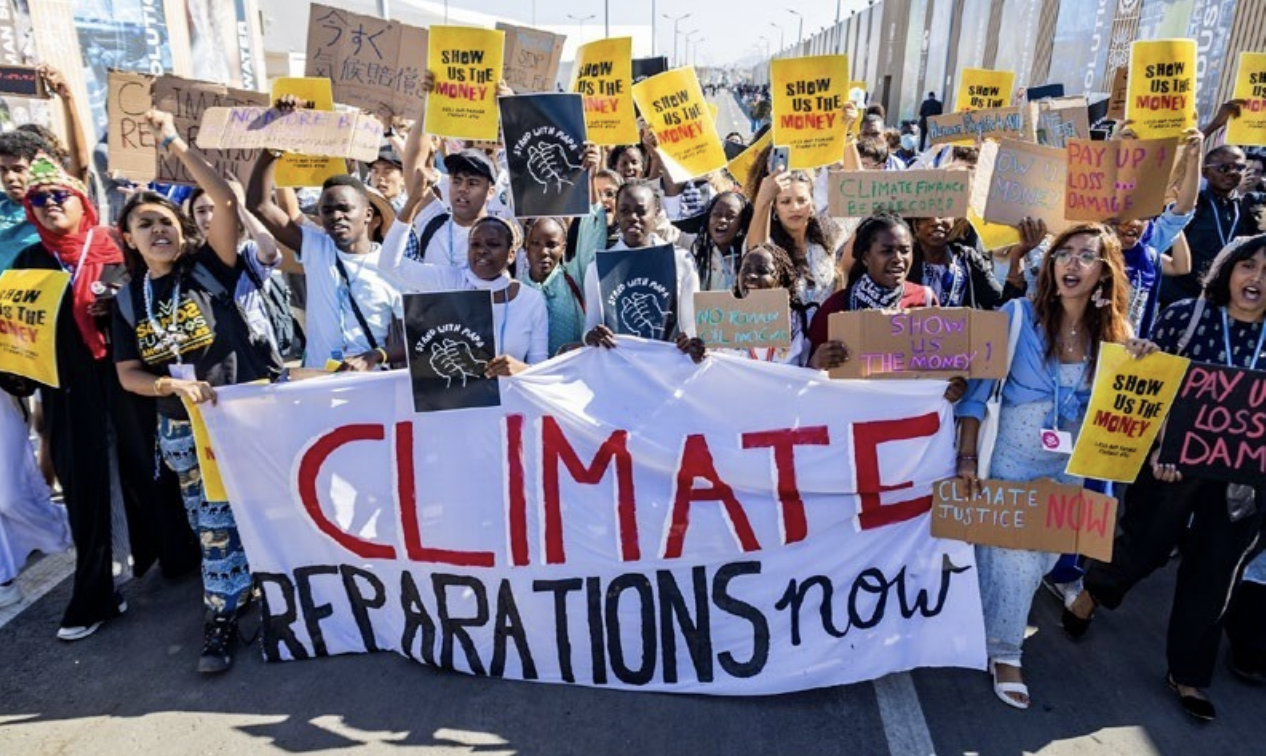
About the discourse of climate depts and reparations
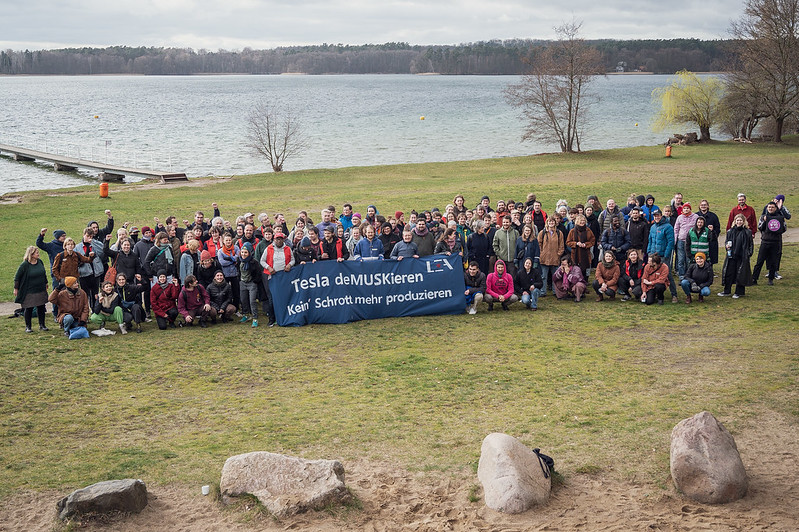
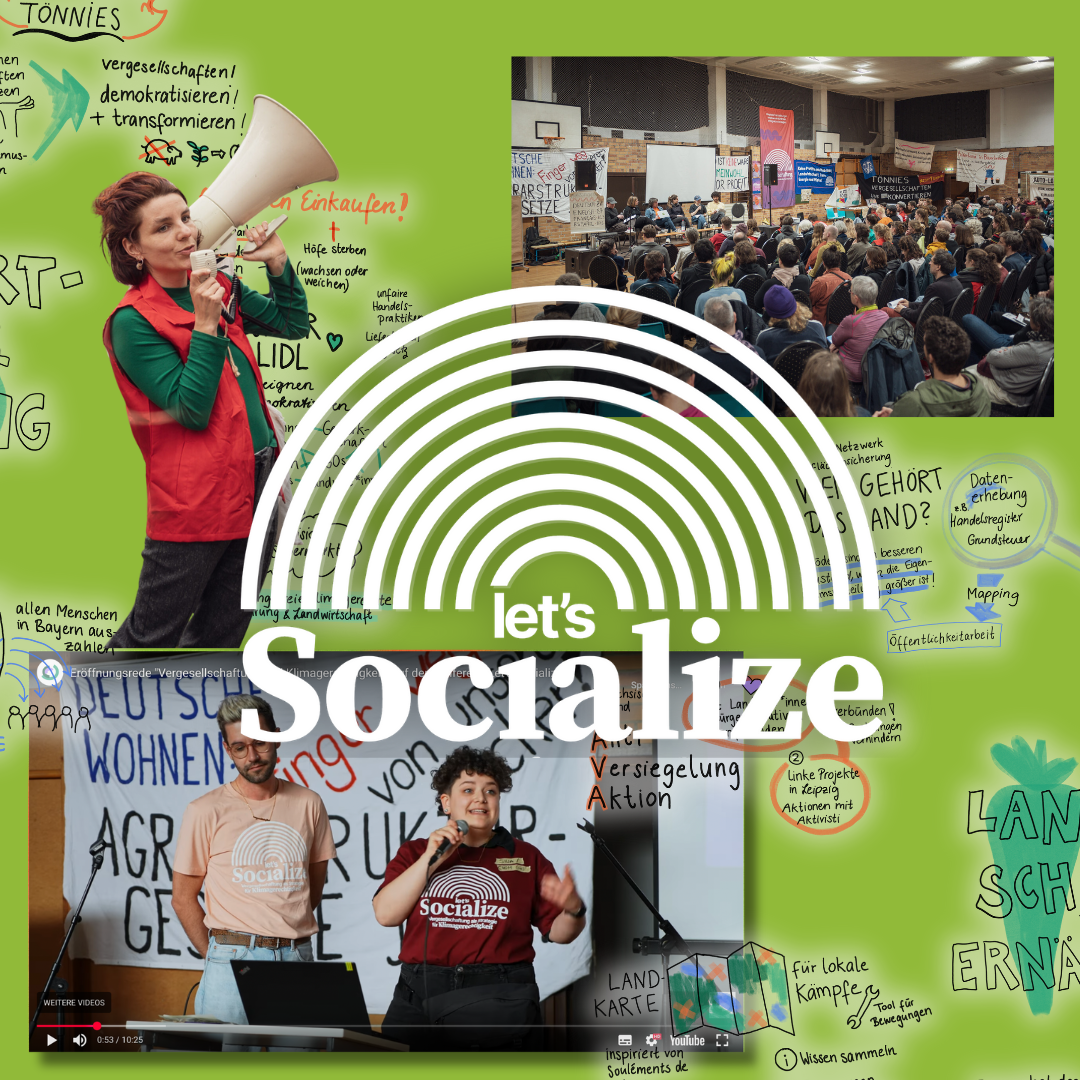
About the conference and socialization movement in Germany
Socially ecological tax reforms – now!

Energy colonialism: European import plans
Germany's historic climate debt
An interview with Ruth Krohn and Lasse Thiele
An interview with the authors of the election manifesto analysis

Two future scenarios compared

An interview with director Johanna Schellhagen